


Rising Pollution and AQI in Delhi NCR: What’s Choking the Capital?
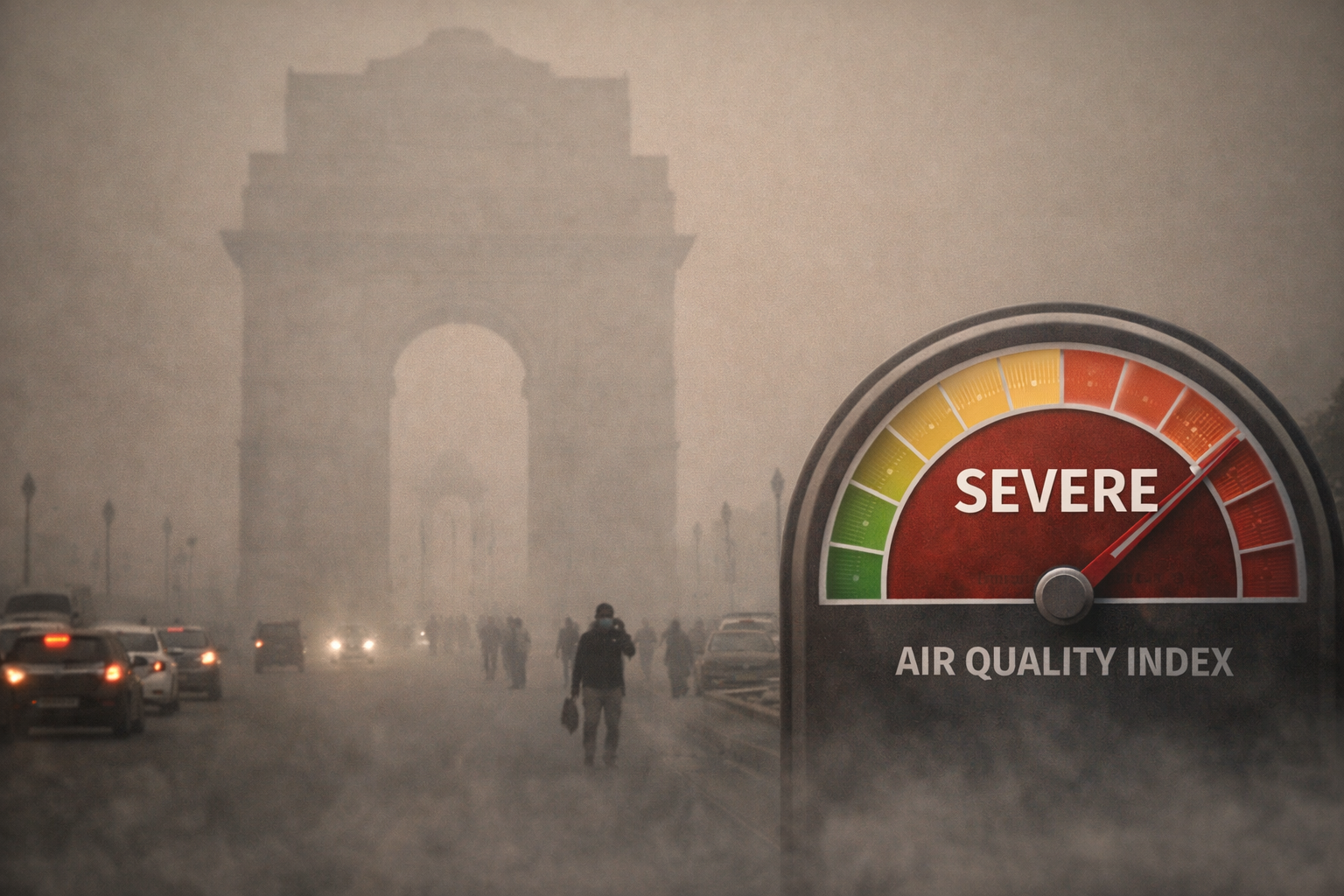
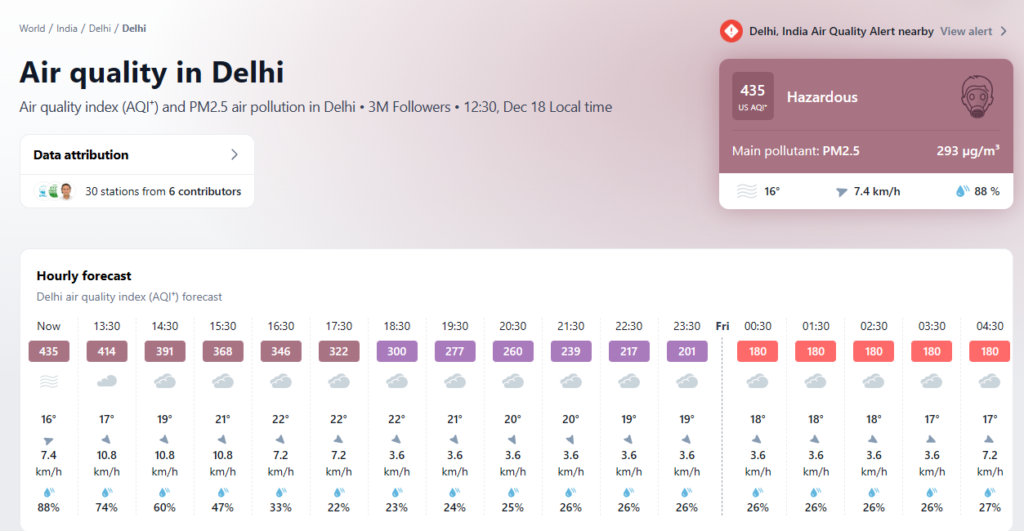
Every winter, Delhi NCR turns into a gas chamber. Schools shut down. Flights get delayed. Hospitals fill up. And the AQI shoots past “severe” levels, making even a short walk outside feel dangerous. So why does this happen every year for Delhi pollution?
The answer lies in a perfect storm of pollution sources and environmental conditions.
Vehicular Emissions: Too Many Cars, Too Little Control
Delhi NCR has one of the highest vehicle densities in the world.
🚗 Millions of cars
🛵 Aging two-wheelers
🚚 Heavy diesel trucks
Even with BS-VI norms and electric vehicle push, traffic congestion and fossil fuel dependency continue to pump nitrogen oxides and particulate matter into the air.
💡 More vehicles + slow traffic = more pollution per kilometer.
Stubble Burning: A Seasonal Nightmare
One of the biggest spikes in AQI comes every year between October and November.
🔥 Farmers in neighboring states burn crop residue
🌫️ Smoke travels hundreds of kilometers
📉 AQI jumps overnight
Despite awareness campaigns and penalties, stubble burning remains a major contributor to Delhi NCR’s winter pollution.
Construction Dust: Development at a Cost
Delhi NCR is constantly expanding.
- Roads
- Flyovers
- Metro projects
- High-rise buildings
But dust control measures are often ignored.
🧱 Construction dust (PM10 and PM2.5) stays suspended in the air, especially when wind speed is low.
Urban growth without strict enforcement = dirty air.
Industrial Emissions Around NCR
Industrial hubs in and around NCR release pollutants like:
- Sulphur dioxide
- Carbon monoxide
- Heavy metals
Many small industries still rely on:
- Coal
- Furnace oil
- Unregulated fuel sources
Weak monitoring allows illegal or excessive emissions to continue.
Geography and Weather Make Things Worse
Delhi’s location works against it.
🌬️ Low wind speeds in winter
🌡️ Temperature inversion traps pollutants
☁️ Fog mixes with smoke
Instead of dispersing, pollutants hover close to the ground, forming a toxic blanket.
Nature presses the pause button on air circulation.
Firecrackers and Festive Pollution
Despite bans, fireworks during festivals still add:
- Sulphur compounds
- Heavy metals
- Dense smoke
Even a few hours of fireworks can push AQI from “poor” to “severe” overnight.
Waste Burning: The Silent Contributor
Garbage burning across roadsides and landfills releases:
- Toxic gases
- Fine particulate matter
This often goes unnoticed — but contributes significantly to local pollution hotspots.
What Does This Mean for Health?
Rising AQI isn’t just an inconvenience for Delhi pollution,.
It leads to:
- Asthma and bronchitis
- Heart and lung diseases
- Reduced immunity
- Long-term respiratory damage
Children, elderly, and people with existing conditions are at highest risk.
Is There Any Hope?
Yes — but only with consistent action, not temporary fixes.
Key steps needed:
- Strong enforcement of emission norms
- Alternatives to stubble burning
- Faster EV adoption
- Better public transport
- Dust control at construction sites
- Real-time monitoring and penalties
💡 Pollution is not a seasonal problem — it’s a policy problem.
Final Thoughts: Clean Air Can’t Be Optional
Delhi NCR’s pollution crisis is a reminder that economic growth without sustainability has a cost — and it’s paid with our lungs.
Until long-term solutions replace short-term bans, AQI alerts will remain part of daily life.
🌱 Clean air isn’t a luxury.
🌍 It’s a basic right.
Delhi pollution, AQI Delhi NCR, air pollution India, Delhi smog reasons, NCR air quality
#DelhiPollution #AQI #AirQuality #DelhiNCR #SmogCrisis #EnvironmentalIssues #CleanAir