Real-World Use Cases of Blockchain That Go Beyond Speculation
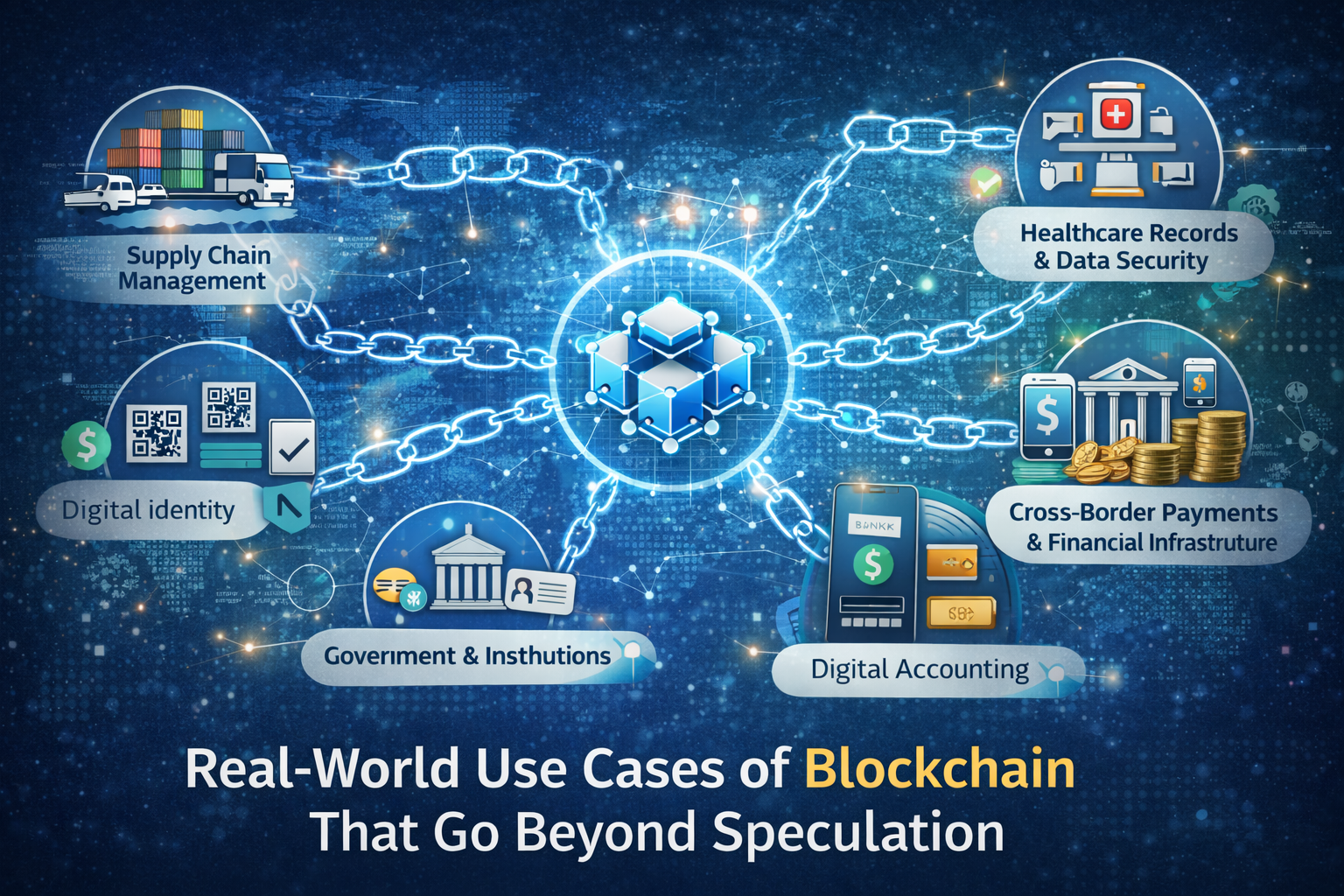
For a long time, blockchain has been viewed through a narrow lens—price volatility, trading hype, and speculative bets. But away from market charts and social media noise, blockchain has been quietly proving its value in the real world. Today, governments, enterprises, and institutions are using blockchain not to speculate, but to solve trust, transparency, and efficiency problems that traditional systems struggle with (blockchain applications).
As we move toward 2026, blockchain’s real impact is becoming clearer. Its strongest use cases aren’t about getting rich overnight—they’re about fixing broken processes at scale.
Blockchain as a Foundation of Trust
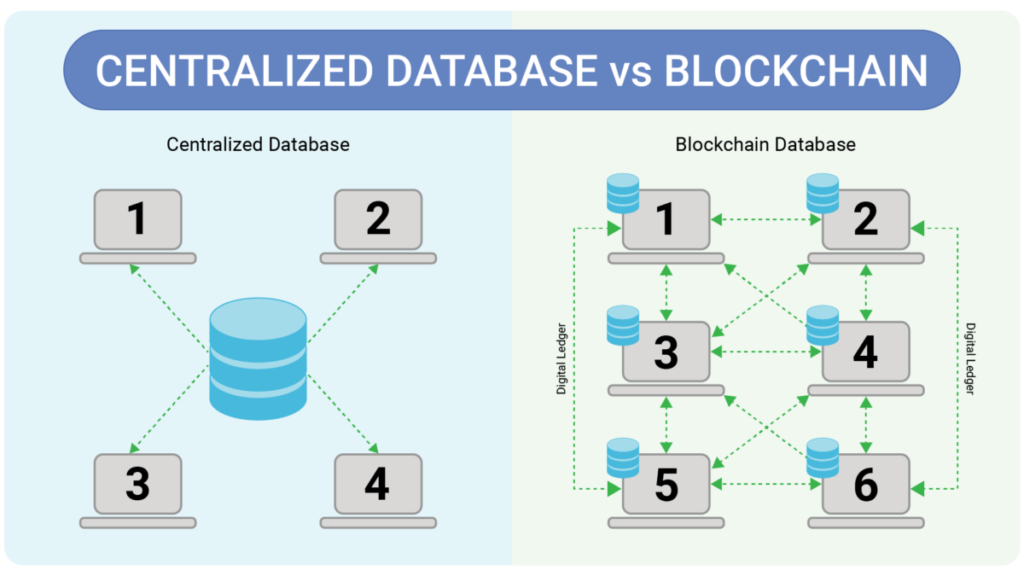
At its core, blockchain is a decentralized ledger that records data in a way that is transparent, verifiable, and extremely difficult to manipulate. This makes it ideal for environments where trust is expensive, slow, or unreliable.
Instead of relying on multiple intermediaries to verify information, blockchain allows participants to share a single source of truth. This shift reduces fraud, lowers costs, and increases confidence across systems that previously depended on manual checks and centralized control.
Supply Chain Transparency and Traceability
Supply chains are complex, global, and prone to inefficiencies. Blockchain is already changing how goods are tracked from origin to end consumer.
With blockchain-based tracking, every step of a product’s journey is recorded on an immutable ledger. This provides real-time visibility and accountability for manufacturers, logistics providers, regulators, and customers.
Key benefits include:
- Verification of product authenticity
- Faster identification of bottlenecks or fraud
- Improved recall management in food and pharma industries
For consumers, this means greater confidence. For businesses, it means fewer disputes and stronger operational control.
Healthcare Records and Secure Data Sharing
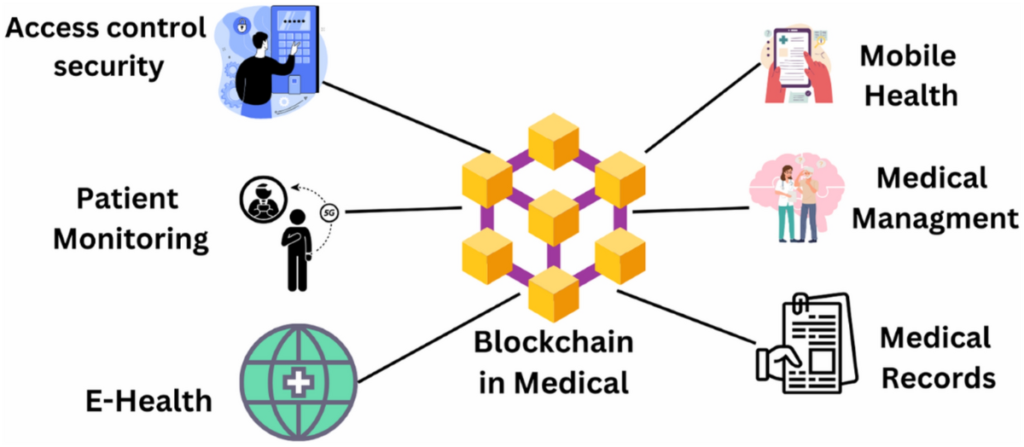
Healthcare systems around the world face issues with fragmented data, privacy risks, and slow information exchange. Blockchain offers a patient-centric approach to medical data management.
Instead of medical records being scattered across hospitals and clinics, blockchain enables a unified, permission-based system. Patients control access to their data, while providers get accurate and up-to-date records when authorized.
This leads to better treatment coordination, reduced administrative costs, and stronger data security—without compromising privacy.
Digital Identity and Government Services
Proving identity is a fundamental requirement for accessing services, yet millions of people globally lack reliable documentation. Blockchain-based digital identity systems are addressing this gap.
These systems allow individuals to own and manage their identity credentials securely, without relying on a single central authority. Governments and institutions can verify identities instantly while reducing identity fraud.
Real-world impact includes:
- Faster access to public services
- Reduced paperwork and verification delays
- Greater inclusion for underserved populations
Cross-Border Payments and Financial Infrastructure
Traditional cross-border payments are slow, expensive, and opaque. Blockchain-based settlement systems are significantly improving this process.
By enabling peer-to-peer value transfer without multiple intermediaries, blockchain reduces transaction times from days to minutes and lowers fees substantially. This is especially impactful for remittances and international trade.
For businesses and individuals alike, this means faster settlements, better cash flow, and increased financial access.
Smart Contracts in Business Operations
Smart contracts are self-executing agreements written into code and deployed on blockchain networks. Once conditions are met, actions are triggered automatically—without manual intervention.
They are increasingly used in insurance, real estate, supply agreements, and compliance workflows. By automating trust, smart contracts reduce disputes, lower legal costs, and improve execution speed.
Why These Use Cases Matter More Than Token Prices
Speculation may attract attention, but real adoption happens quietly. These blockchain applications work behind the scenes, improving efficiency and trust without requiring users to understand the technology itself.
The long-term value of blockchain lies in infrastructure, not hype. Just like the internet transformed communication before it transformed commerce, blockchain is laying the groundwork for more transparent and resilient systems.
Final Thoughts
Blockchain’s future isn’t about chasing the next price rally. It’s about building systems that are more open, secure, and reliable than what came before. As adoption grows across supply chains, healthcare, identity, and finance, blockchain is proving it’s more than a speculative asset—it’s a foundational technology (blockchain applications).
The real revolution isn’t happening on trading screens.
It’s happening quietly, one real-world use case at a time.
Disclaimer: This article is for informational purposes only and does not constitute financial advice. Always consult with a financial advisor before making investment decisions.
Read more updates and articles on our Crypto category page