


How to Learn Any Technical Skill Faster Using the 80/20 Rule

Learning a technical skill often feels overwhelming. New frameworks, endless tutorials, massive documentation—it’s easy to feel busy but not effective. The good news? You don’t need to learn everything to make real progress. That’s where the 80/20 Rule changes the game (80/20 rule learning).
Used correctly, it can help you learn any technical skill—coding, data analysis, cloud, AI, cybersecurity—faster, with less frustration, and far better results.
What the 80/20 Rule Really Means for Learning
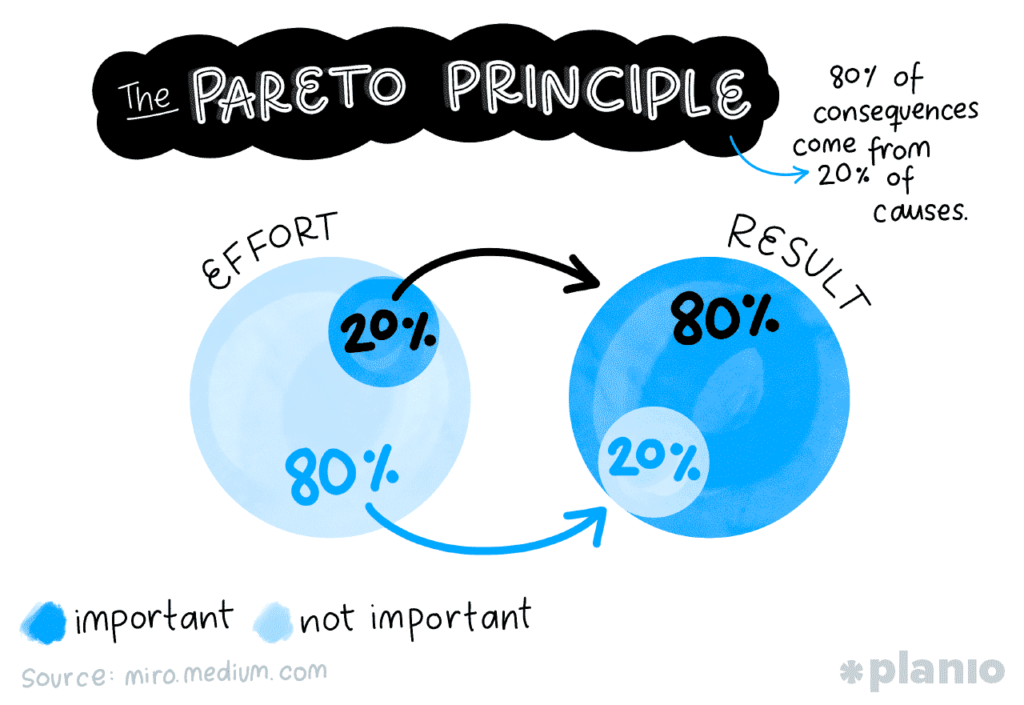
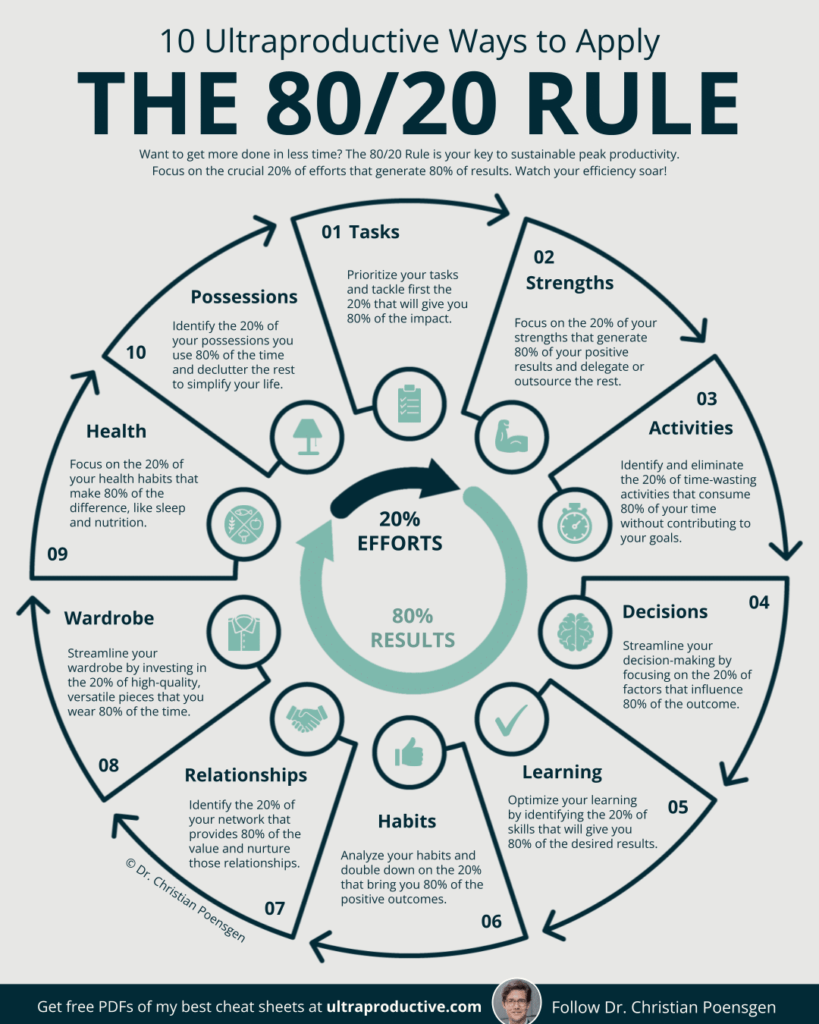
The 80/20 Rule (also known as the Pareto Principle) says that 80% of results come from 20% of effort. In learning, that translates to a powerful insight:
A small set of concepts, tools, and workflows produces most real-world outcomes.
In technical skills, this is especially true. Most professionals rely on a core subset of knowledge every day, while the rest is used rarely—or never.
Why Traditional Learning Is So Slow 🐌
Most people learn technical skills the wrong way.
They try to:
- Watch every tutorial from start to finish
- Memorize entire documentation
- Learn edge cases before basics
- “Feel ready” before building anything
This creates illusion of progress, not actual skill.
The 80/20 approach flips this completely.
Step 1: Define the Outcome (Not the Topic) 🎯
Before opening a course or YouTube video, ask one question:
“What do I want to be able to DO?”
Not:
- “Learn Python”
- “Understand cloud computing”
But:
- “Build a REST API”
- “Deploy an app to the cloud”
- “Analyze data and generate insights”
Skills are about capabilities, not content.
Step 2: Identify the Critical 20% 🧩
Every technical field has a small set of fundamentals that appear everywhere.
For example:
- Programming → variables, loops, functions, data structures
- Web development → HTTP, APIs, databases, authentication
- Data → SQL, basic statistics, data cleaning
These core concepts show up again and again in real projects.
Focus on:
- The most-used tools
- The most common workflows
- The problems professionals solve daily
Ignore the rest—for now.
Step 3: Learn Just Enough to Start Building 🔧
Instead of aiming for mastery upfront, aim for functional competence.
This means:
- Learn the minimum syntax
- Understand the basic architecture
- Copy patterns before inventing your own
Once you can build something, learning accelerates naturally.
Progress creates motivation. Motivation creates momentum 🚀
Step 4: Practice in High-Return Areas Only 📈
Not all practice is equal.
High-impact practice includes:
- Building small real-world projects
- Recreating existing tools
- Debugging broken code
- Explaining concepts in your own words
Low-impact practice includes:
- Passive watching
- Highlighting notes
- Rewriting documentation
If it doesn’t feel slightly uncomfortable, it’s probably not effective.
Step 5: Use Feedback Loops Aggressively 🔄
Fast learners shorten the feedback cycle.
They:
- Test quickly
- Fail fast
- Fix immediately
Modern tools, communities, and AI assistants make this easier than ever. The faster you know what’s wrong, the faster you improve.
Step 6: Delay Advanced Topics (On Purpose) ⏳
Advanced topics are tempting—but dangerous.
Learning edge cases too early:
- Slows progress
- Increases confusion
- Reduces confidence
Most “advanced” concepts only make sense after repeated exposure to basics.
The 80/20 rule says:
Earn complexity—don’t chase it.
What This Looks Like in the Real World 🌍
People who use the 80/20 method:
- Get job-ready faster
- Build usable projects sooner
- Retain more knowledge
- Avoid burnout
They don’t know everything.
They know what matters.
Common Mistakes to Avoid ❌
A few traps that break the 80/20 approach:
- Switching tools constantly
- Consuming without creating
- Learning without a goal
- Trying to be “perfect”
Speed comes from focus, not shortcuts.
Final Thoughts
Learning technical skills isn’t about grinding harder—it’s about learning smarter (80/20 rule learning).
The 80/20 Rule gives you permission to:
- Ignore what doesn’t matter
- Focus on what does
- Learn by doing, not watching
Master the vital few, and the rest becomes easier—sometimes automatic.
In a world where skills define opportunity,
learning faster is the ultimate advantage 💡
Also read more articles like this on Learning labs. Check out Prompt Engineering 101: How to Use AI Effectively