

Why Python Is Still the Best Language to Learn in 2026
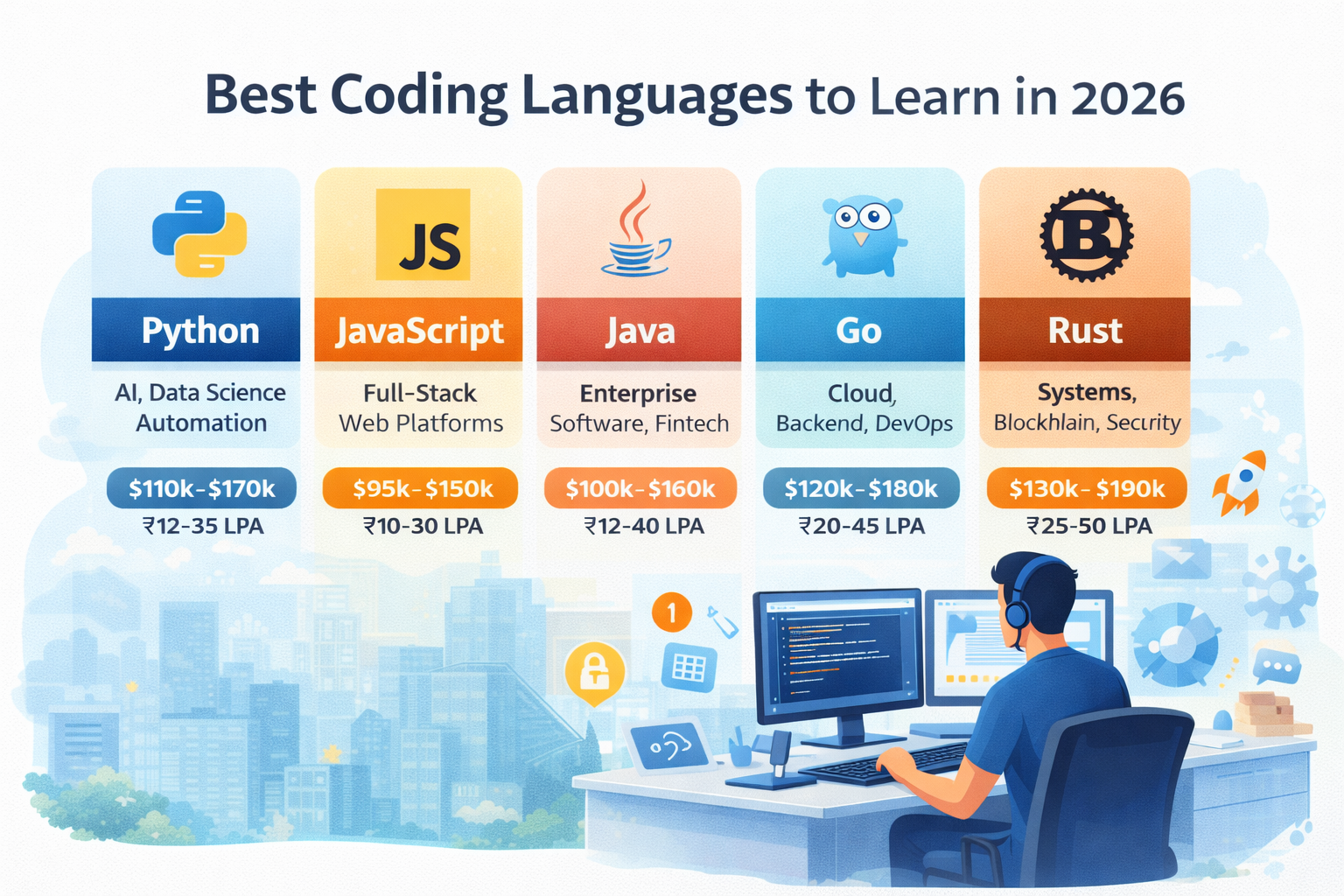
Python isn’t just surviving in 2026. It’s dominating. It powers artificial intelligence, automation, data science, fintech systems, Web3 tools, and enterprise software. If there’s a skill that keeps opening doors across industries, Python is it. Even better, Python remains one of the most beginner-friendly languages, making it the perfect first step into programming (Python for beginners).
Step 1: Get Clear on Why You Want to Learn Python
Before writing your first line of code, decide your goal.
Python is a multi-purpose language, and your learning path depends on what you want to build.
Common Python Goals in 2026
- Artificial intelligence and machine learning
- Data analysis and visualization
- Web development and APIs
- Automation and scripting
- Finance, crypto, and algorithmic trading
Clear goals prevent wasted time and keep motivation high.
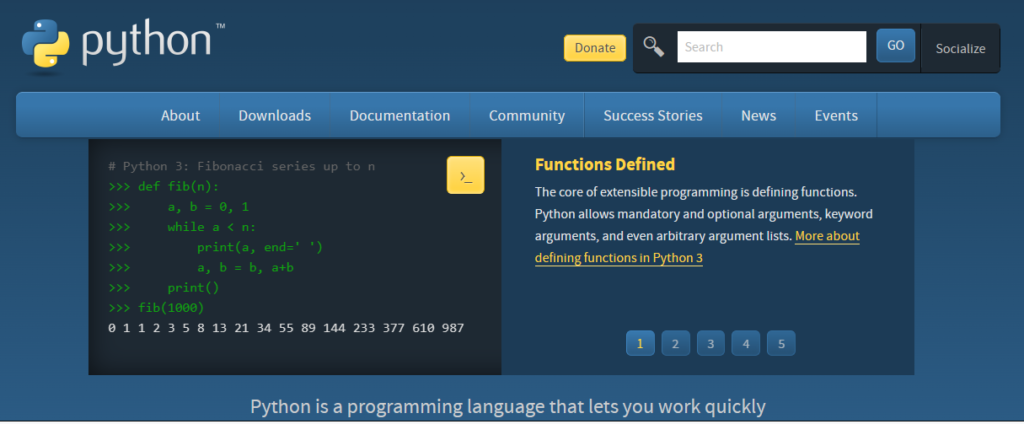
Step 2: Set Up Your Python Environment the Simple Way
In 2026, learning Python no longer requires complex setups.
What You Actually Need
- Python 3.13 or newer
- VS Code or another lightweight code editor
- A modern AI coding assistant for guidance
If your environment lets you write code and see results instantly, you’re ready. Perfection is not required.
Step 3: Master the Core Python Fundamentals First
Skipping basics is the fastest way to get stuck later.
Focus on These Core Concepts
- Variables and data types
- Conditional statements
- Loops
- Functions
- Lists, dictionaries, and tuples
- Basic error handling
Think of this stage as learning grammar before writing essays. Strong fundamentals make everything else easier.
Step 4: Use AI as a Tutor, Not a Shortcut
AI tools are a massive advantage in 2026, but only when used correctly.
How AI Helps You Learn Faster
- Explains errors in plain language
- Suggests cleaner and more efficient code
- Generates practice exercises
- Acts as a personal coding tutor
The key rule is simple: never copy code without understanding it. Ask why it works before moving on.
Step 5: Start Building Small Projects Immediately
Projects turn theory into real skills.
Beginner-Friendly Python Project Ideas
- A number guessing game
- A to-do list app
- A simple calculator
- A basic automation script
- A personal expense tracker
Small wins build confidence and reinforce learning far better than endless tutorials.
Step 6: Learn How to Read Errors and Debug
Errors are not failures. They are feedback.
Learning how to read Python error messages early will save you countless hours later. Debugging is a skill that separates casual learners from real developers.
Step 7: Choose One Learning Path and Go Deep
Once the basics feel comfortable, pick one direction and focus.
Popular Python Specializations in 2026
- Machine learning and AI
- Data science and analytics
- Backend web development
- Automation and DevOps
- Financial and quantitative programming
Depth beats breadth. Specialization makes Python valuable as a career skill.
Step 8: Stay Consistent, Not Perfect
Consistency matters more than talent.
Even 30 minutes a day compounds quickly over months. Most people fail not because Python is hard, but because they stop too early.
Final Thoughts: Python Is a Long-Term Skill
Learning Python in 2026 is one of the smartest investments you can make in your future. – Python for beginners
Start simple. Build often. Use modern tools wisely. And most importantly, keep going even when it feels confusing. Python rewards patience, and the opportunities it unlocks are worth the effort.
Also read more articles like this on Learning labs. Check out Prompt Engineering 101: How to Use AI Effectively
Python2026 #LearnPython #CodingForBeginners #AIProgramming #TechSkills
learn Python 2026, Python for beginners, how to learn Python, Python roadmap, Python programming