

Why iPhones and MacBooks Are So Costly Compared to Other Brands
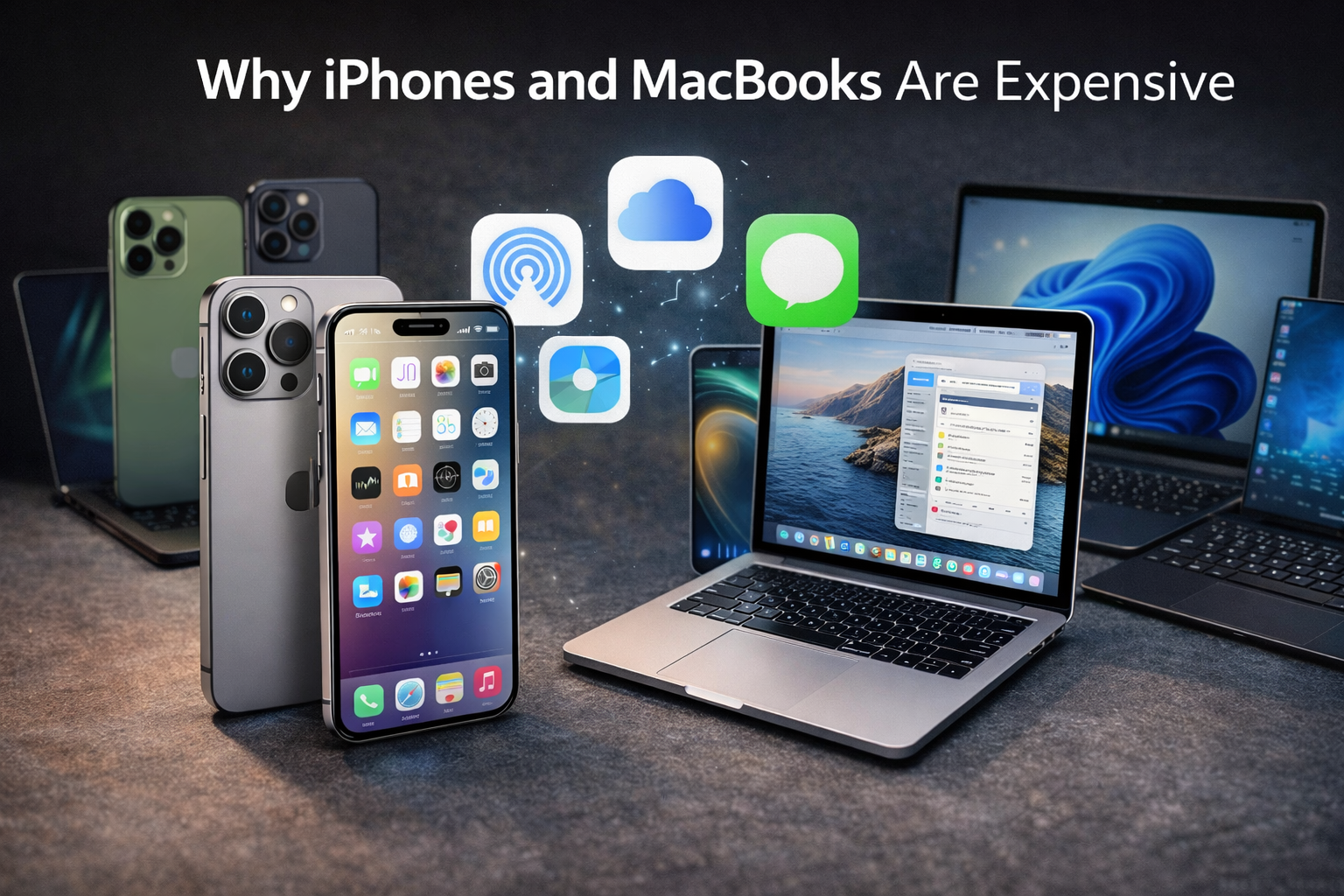
Why does an iPhone cost more than most Android phones? Why is a MacBook often double the price of a Windows laptop with similar specs? At first glance, Apple products seem overpriced. You’ll often find devices with higher RAM, bigger batteries, or faster processors on paper for much less money. Yet Apple continues to dominate profits, loyalty, and long-term usage (why iPhones are expensive).
The reason goes far deeper than branding.
Apple Doesn’t Sell Specs — It Sells Experience
Most tech companies compete on specifications.
Apple doesn’t.
While other brands advertise RAM, megapixels, or refresh rates, Apple focuses on how the device feels, lasts, and works over time. This changes how pricing works entirely.
Apple’s pricing reflects:
- Long-term performance, not short-term benchmarks
- Software and hardware designed together
- Predictable, consistent user experience
A MacBook with “lower specs” often outperforms competitors in real-world use because the operating system is built specifically for that hardware.
Build Quality and Materials Matter More Than You Think
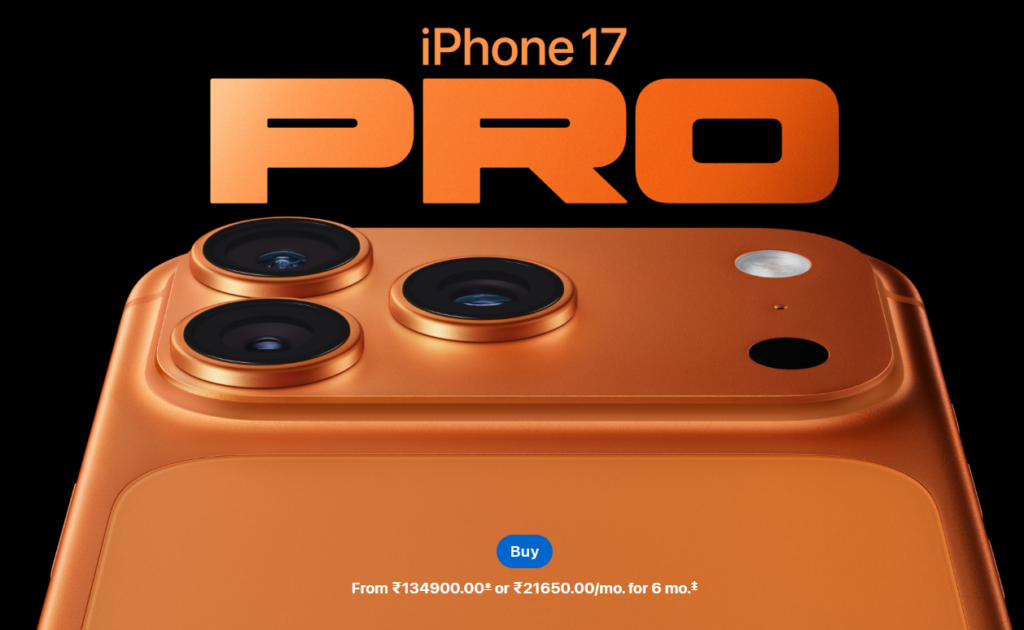
Apple devices are expensive partly because they are physically expensive to make.
MacBooks use:
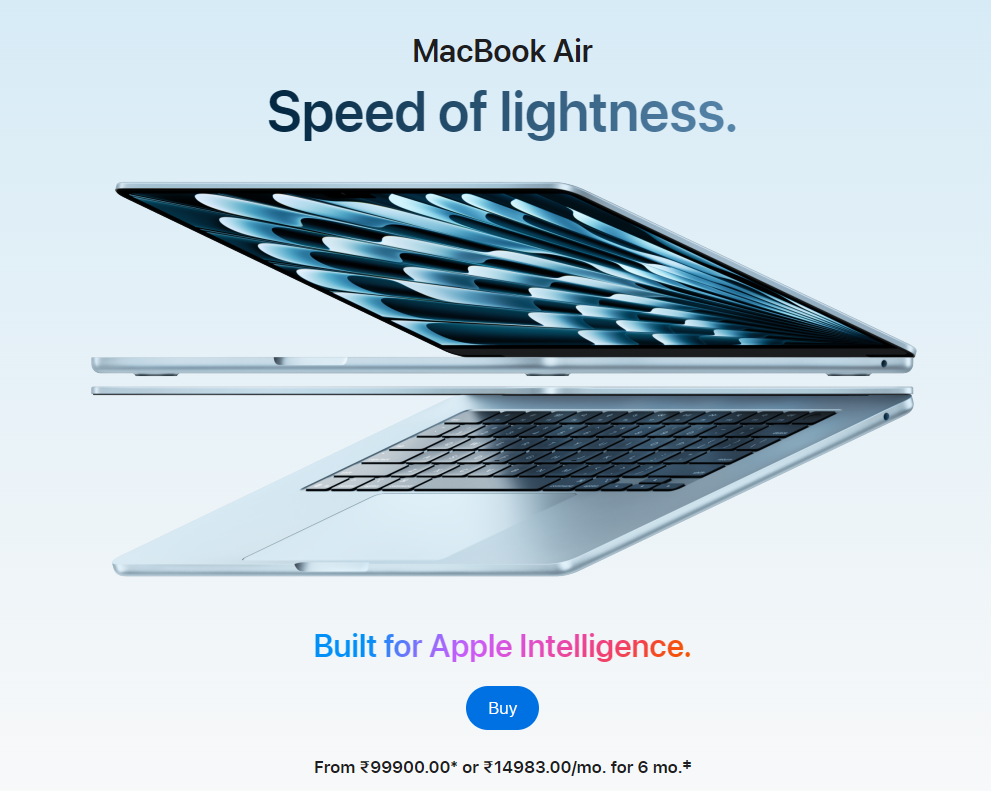
- CNC-machined aluminum unibody designs
- Precision-engineered hinges
- High-quality displays with accurate color calibration
iPhones use:
- Custom glass
- Aerospace-grade aluminum or stainless steel
- Industry-leading haptic feedback
These choices increase durability and longevity. Many people use MacBooks for 7–10 years, which quietly lowers the true cost of ownership.
Apple Silicon Changed the Game
The introduction of Apple’s own chips (M-series for Macs and A-series for iPhones) is a major reason for the premium.
Apple Silicon offers:
- Exceptional performance per watt
- Silent, fanless designs
- Better battery life than competitors
- Tight optimization with macOS and iOS
Apple no longer relies on third-party processors. This level of control is rare and expensive—but it delivers efficiency other brands struggle to match.
The Ecosystem Is the Real Product
Apple products are not meant to be used alone.
The ecosystem is what locks people in.
iPhone, MacBook, iPad, Apple Watch, AirPods, and iCloud work together seamlessly. Features like:
- AirDrop
- iMessage
- Handoff
- Universal Clipboard
- iCloud sync
create a frictionless experience that competitors still struggle to replicate fully.
Once inside the ecosystem, switching becomes inconvenient — and Apple knows this.
Software Support That Lasts for Years
Apple provides long-term software updates unmatched by most competitors.
iPhones often receive:
- 6–7 years of iOS updates
- Regular security patches
- Feature updates even on older models
MacBooks also get years of macOS upgrades and security support.
This extended lifespan increases value, even if the upfront cost feels high.
Privacy as a Premium Feature
Apple positions privacy as a core product feature, not an add-on.
Unlike many competitors, Apple:
- Minimizes user data collection
- Avoids aggressive ad-based business models
- Processes more data on-device
This approach limits monetization opportunities, which indirectly pushes device prices higher. You’re paying more upfront instead of paying with your data later.
Brand Power and Psychological Value
Let’s be honest — branding plays a role.
Apple has spent decades building an identity around:
- Creativity
- Simplicity
- Status
- Trust
Owning an iPhone or MacBook signals reliability and professionalism in many environments. This emotional and social value allows Apple to charge a premium.
That doesn’t mean the value is fake. It means perception and reality reinforce each other.
Are iPhones and MacBooks Luxury Products?
Yes — but with an important distinction.
They are functional luxury, not decorative luxury.
Luxury usually implies:
- Higher cost
- Better materials
- Strong branding
- Emotional appeal
Apple fits all four. However, unlike traditional luxury goods, Apple devices are:
- Mass-produced
- Productivity-focused
- Used daily
They sit between premium tools and luxury items.
Think of them less like designer handbags and more like high-end watches — practical, but also status-driven.
Do You Actually Need an iPhone or MacBook?
Not necessarily.
If your priority is:
- Maximum specs for the lowest price
- Customization
- Gaming
- Budget flexibility
Other brands may suit you better.
But if you value:
- Longevity
- Stability
- Seamless integration
- Consistent user experience
Apple’s pricing begins to make sense over time.
Why Apple Can Charge More (And Still Win)
Apple products are costly because they combine:
- Vertical integration
- Premium materials
- Long-term software support
- Strong ecosystem lock-in
- Brand trust and identity
You’re not just buying hardware. You’re buying predictability.
And for millions of users, that predictability is worth the premium 🙂.
Final Verdict
iPhones and MacBooks are expensive — but not overpriced in the traditional sense (why iPhones are expensive).
They are premium, ecosystem-driven products that trade raw specs for reliability, longevity, and experience. For some users, they are unnecessary luxuries. For others, they are long-term investments.
The real question isn’t why Apple costs more.
It’s whether your priorities align with what Apple actually sells.
why iPhones are expensive, why MacBooks cost more, Apple pricing strategy, iPhone vs Android, MacBook vs Windows
Also read more articles like this on Learning labs. Check out Prompt Engineering 101: How to Use AI Effectively
#Apple #iPhone #MacBook #TechExplained #PremiumTech