


Career Survival Guide: Skills to Learn in the Age of Layoffs

Layoffs today are rarely about performance. They are driven by Career protection skills:
- Cost restructuring
- Automation and AI adoption
- Economic uncertainty
- Strategic shifts
The question is no longer “Will layoffs happen?”
It’s “How prepared are you if they do?”
The good news: you can protect yourself — not by panic, but by building career resilience.
Step 1: Shift From Job Security to Skill Security
Job security is temporary.
Skill security is durable.
People who recover fastest from layoffs usually share one trait:
Their skills are useful across roles, industries, and companies.
Your goal is not to cling to a role —
It’s to remain employable anywhere.
Step 2: Build Skills That Companies Can’t Easily Cut
1. AI Literacy (Not Just for Tech Roles)
You don’t need to code AI.
You need to work with it.
Learn:
- How AI tools improve productivity
- How to use AI for research, analysis, content, and workflows
- Where AI fails and needs human judgment
AI-literate professionals are enabled, not replaced.
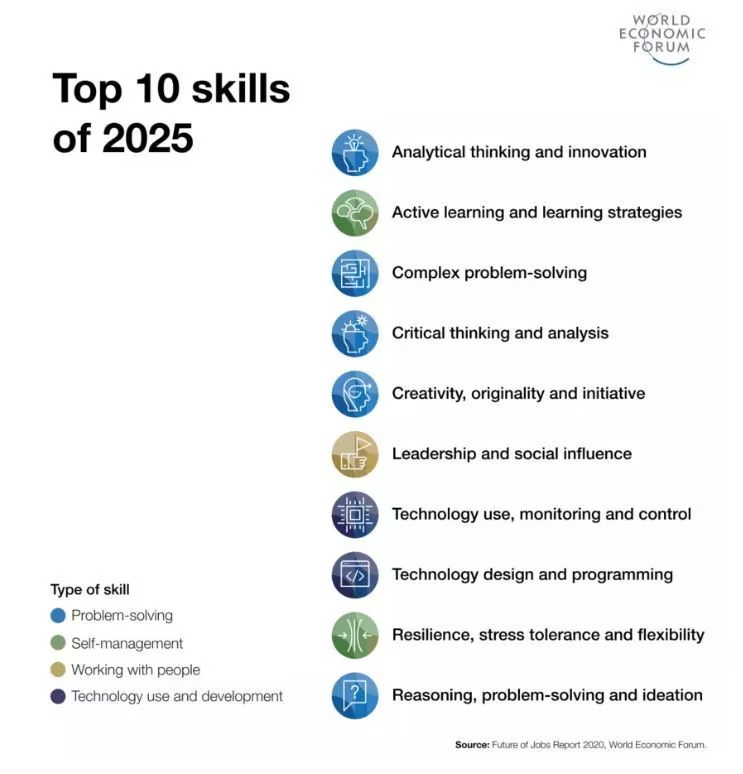
2. Data & Analytical Thinking
Companies cut roles — not insights.
Learn:
- Reading dashboards and reports
- Interpreting trends and metrics
- Turning data into decisions
You don’t need advanced math.
You need clarity and reasoning.
3. Communication That Drives Outcomes
In uncertain times, clarity is power.
Strengthen:
- Written communication
- Executive summaries
- Stakeholder communication
- Remote collaboration
People who can explain, align, and persuade survive longer.
4. Problem-Solving & Systems Thinking
AI can answer questions.
Humans solve new problems.
Develop:
- Root-cause analysis
- Strategic thinking
- Process improvement
- Decision-making under uncertainty
These skills scale with seniority.
5. Business & Financial Awareness
Understanding how money moves protects your role.
Learn:
- How your company makes revenue
- Cost vs value creation
- Basic financial statements
- Unit economics of your work
People who understand business are seen as assets, not costs.
Step 3: Become Harder to Replace, Not Just Better at Your Job
Specialisation alone is risky.
Skill stacking is safer.
Example:
- Marketing + data
- Operations + automation
- Finance + analytics
- HR + technology
The more intersections you operate in, the safer your position.
Step 4: Create Optionality Outside Your Job
Layoff protection isn’t only internal.
Build:
- A strong LinkedIn presence
- A portfolio of work or projects
- Industry connections
- Side skills that can generate income
Optionality reduces fear — and fear weakens performance.
Step 5: Learn Continuously, But Strategically
Don’t collect random certificates.
Instead:
- Focus on skills with long-term demand
- Learn just enough to apply immediately
- Build proof of work, not just credentials
Employers trust evidence, not course lists.
Skills That Are Becoming Less Safe
Be cautious if your role depends heavily on:
- Repetitive manual tasks
- Pure execution without decision-making
- Tools that are being automated rapidly
Adapt early — not after disruption.
A Simple Layoff-Resilience Skill Framework
If you’re unsure where to start, focus on this mix:
- Core skill: Your main profession
- Support skill: Data, AI, or tech literacy
- Human skill: Communication, leadership, judgment
This combination is hard to automate and easy to transfer.
Final Thoughts
Layoffs are stressful — but they don’t define your worth so here were the Career protection skills.
The most resilient professionals:
- Invest in skills, not titles
- Think long-term, not defensively
- Adapt before they’re forced to
In uncertain times, learning is the safest asset you can own.
Also read more articles like this on Learning labs. Check out Prompt Engineering 101: How to Use AI Effectively
As layoffs rise across industries, skill security matters more than job security. Here’s how to protect your career and stay employable.