Layer-2 Blockchains and Ethereum’s Future: Why Scaling Is Everything
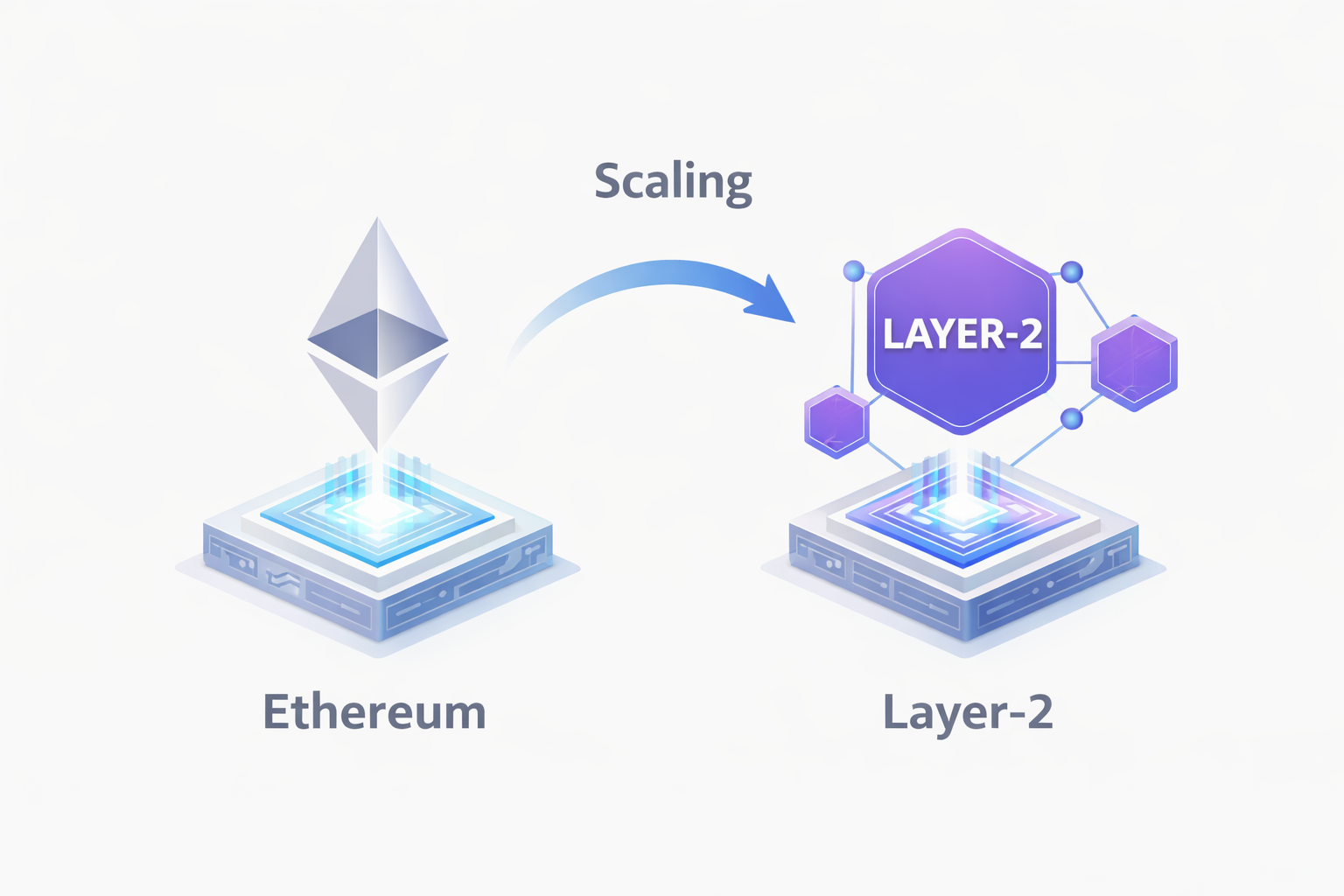
Ethereum Won — Now It Has to Scale. Ethereum has become the backbone of Layer-2 blockchains like:
- DeFi
- NFTs
- Stablecoins
- Web3 applications
But success created a problem.
High fees, slower transactions, and congestion made it clear:
Ethereum cannot scale alone.
That’s where Layer-2 blockchains come in — and why they are central to Ethereum’s future.
What Are Layer-2 Blockchains?
Layer-2 (L2) blockchains are scaling solutions built on top of Ethereum.
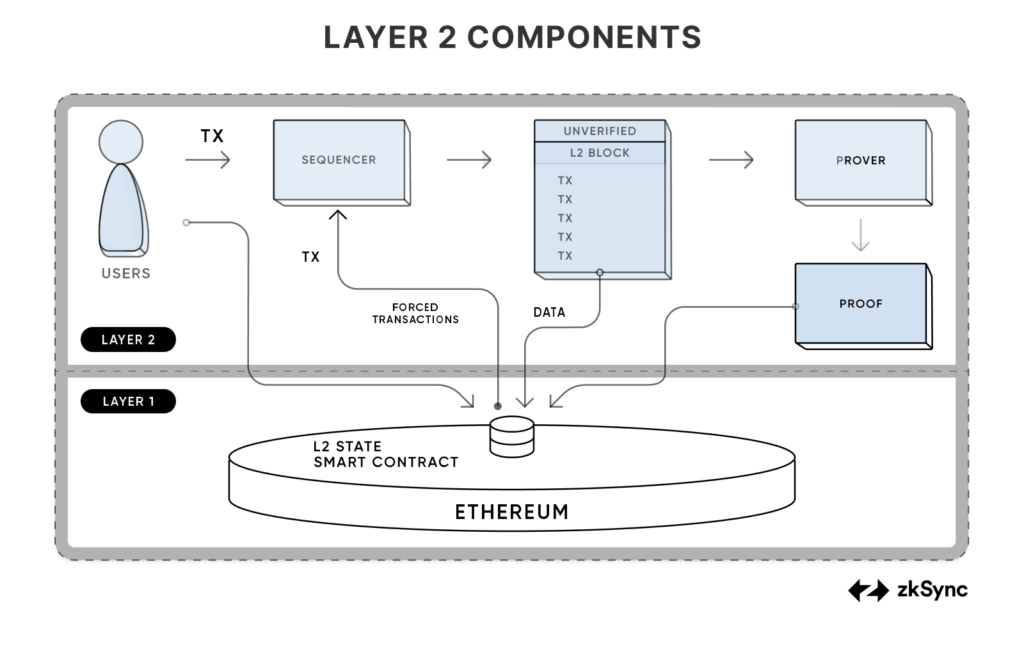
They handle transactions off the main Ethereum chain (Layer-1) and then:
- Bundle them
- Compress the data
- Settle final results back on Ethereum
This reduces:
- Network congestion
- Gas fees
- Processing time
While still using Ethereum’s security.
Why Ethereum Needs Layer-2s to Survive and Grow
Ethereum prioritised:
- Decentralisation
- Security
It deliberately did not maximise speed at Layer-1.
That design choice makes Ethereum robust — but not fast enough for mass adoption.
Without Layer-2s:
- Fees remain too high for everyday users
- Apps can’t scale globally
- Competitors gain ground
Layer-2s are not optional — they are essential infrastructure.
How Layer-2s Actually Improve Scaling
1️⃣ Lower Transaction Fees
Layer-2s batch thousands of transactions into one Ethereum transaction.
Result:
- Fees drop dramatically
- Micro-transactions become viable
This unlocks real-world use cases.
2️⃣ Faster Transactions
Layer-2s process transactions almost instantly compared to Ethereum mainnet.
This improves:
- User experience
- Gaming and social apps
- DeFi execution speed
Speed is critical for mainstream adoption.
3️⃣ Ethereum-Level Security
Most Layer-2s inherit security from Ethereum itself.
This means:
- Funds are protected by Ethereum’s validator network
- Users don’t have to trust a new chain completely
Security without sacrificing scalability.
Types of Layer-2 Solutions Powering Ethereum
🔹 Rollups (Most Important)
Rollups are the dominant Layer-2 approach.
They include:
- Optimistic Rollups
- Zero-Knowledge (ZK) Rollups
Both compress transaction data and post proofs to Ethereum.
Rollups are widely seen as Ethereum’s long-term scaling strategy.
🔹 Validiums & Hybrid Models
Some Layer-2s move data availability off-chain for even lower fees.
Trade-off:
- Lower costs
- Slightly different security assumptions
These are often used for gaming and high-volume apps.
Why Layer-2s Strengthen Ethereum (Not Replace It)
A common misconception:
“Layer-2s will take value away from Ethereum.”
In reality:
- L2s increase Ethereum usage
- More transactions settle on Ethereum
- Demand for ETH as gas and collateral grows
Ethereum becomes the settlement and security layer, while Layer-2s handle execution.
This is similar to how:
- The internet uses layers
- Banks use settlement networks
What This Means for Developers and Users
For Developers
- Cheaper to deploy apps
- Better user experience
- Ability to build consumer-scale products
Layer-2s remove cost barriers to innovation.
For Users
- Lower fees
- Faster interactions
- Same Ethereum ecosystem
Users don’t need to abandon Ethereum — they just use it smarter.
Layer-2s and the Next Crypto Cycle
In the next market cycle:
- Infrastructure often moves first
- User adoption follows
- Applications scale on top
Layer-2 ecosystems are positioned to benefit early because they:
- Enable growth
- Support new use cases
- Reduce friction
Scaling unlocks everything else.
Risks and Challenges to Watch
Layer-2s are powerful — but not perfect.
Challenges include:
- Fragmented liquidity
- User confusion across networks
- Bridging risks
- Rapid competition
However, these are growing pains, not structural flaws.
The Bigger Picture: Ethereum’s Modular Future
Ethereum is evolving into a modular blockchain ecosystem:
- Ethereum Layer-1 = security & settlement
- Layer-2s = execution & scalability
- Data layers = availability & efficiency
This architecture is more flexible and future-proof than monolithic chains.
Final Verdict:
Ethereum’s future doesn’t depend on being the fastest chain – Layer-2 blockchains.
It depends on being:
- The most secure
- The most trusted
- The most widely used settlement layer
Layer-2 blockchains make that possible.
In the long run, scaling is not just a technical upgrade — it’s the foundation for mass adoption.
Disclaimer: This article is for informational purposes only and does not constitute financial advice. Always consult with a financial advisor before making investment decisions.
Read more updates and articles on our Crypto category page and also read Layer-2 Blockchains Explained: Why They Matter for Crypto’s Future
#ethereum#Blockchain #Defi #Crypto