
Who Is Shibetoshi Nakamoto (Billy Markus)? The Story Behind the Dogecoin Founder

The Man Behind the Meme– Shibetoshi Nakamoto is not a mysterious shadow figure like Bitcoin’s Satoshi Nakamoto. He’s very real, very online, and very honest (Dogecoin founder).
Shibetoshi Nakamoto is the internet alias of Billy Markus, the software engineer who co-created Dogecoin in 2013 and accidentally helped launch the entire meme-coin movement. What started as a joke between two tech workers quickly became one of the most recognizable cryptocurrencies in the world.
More than a decade later, Dogecoin remains culturally relevant — and Markus, despite stepping away from development years ago, is still its most recognizable voice.

Quick Facts About Billy Markus
- Full Name: Billy Markus
- Alias: Shibetoshi Nakamoto
- Born: January 1983
- Age (2025): 42
- Nationality: American
- Known For: Co-creating Dogecoin
- Profession: Software engineer
- Net Worth: Under $1 million (confirmed by Markus in 2023)
- DOGE Holdings: Sold original holdings in 2015
- Current Crypto: Small amounts of DOGE, BTC, ETH, and tipped tokens
- Website: https://billym2k.net
Why the Name “Shibetoshi Nakamoto” Exists
The alias is a deliberate parody.
“Shibetoshi” references the Shiba Inu dog behind the Doge meme, while “Nakamoto” is a tongue-in-cheek nod to Bitcoin’s anonymous creator, Satoshi Nakamoto.
The name perfectly reflects Dogecoin’s original purpose: to mock how overly serious, elitist, and jargon-heavy early crypto culture had become.
Unlike Satoshi, Markus never hid. He tweets daily, argues with critics, jokes with followers, and openly discusses mental health, money, and mistakes.
Early Life and Personal Background
Billy Markus was born and raised in Portland, Oregon. From an early age, he showed strong academic performance and a deep interest in computers.
However, his path wasn’t smooth.
Markus has spoken openly about dealing with anxiety, panic attacks, and hypochondria, which led him to take time off after high school and later withdraw from college classes during his first attempt. He described feeling like a failure — a theme he would later revisit in blog posts with striking honesty.
Eventually, he restarted, transferred schools, landed a campus programming job, and completed his education. Throughout it all, he spent much of his free time building small tech projects, moderating online communities, gaming, and “making dumb stuff for fun.”
That habit would later change crypto history.
Career Before Dogecoin
Before Dogecoin, Markus worked as a software engineer at IBM, gaining experience in large-scale systems and corporate development.
But corporate life didn’t define him.
He preferred side projects, humor-driven coding experiments, and online communities. Dogecoin began as one of those side projects — not a startup, not a business plan, and certainly not a roadmap-driven crypto protocol.
How Dogecoin Was Created
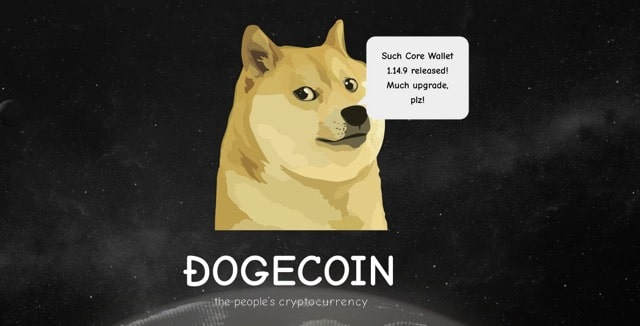
Dogecoin was born in December 2013, during the first wave of Bitcoin hype.
The Spark
Jackson Palmer, an Adobe product manager, jokingly tweeted that he was “investing in Dogecoin,” a fictional coin based on the Doge meme. The tweet unexpectedly went viral.
After a few beers, Palmer bought dogecoin.com and turned the joke into a parody website.
The Build
Billy Markus saw the tweet and reached out.
Within hours, Markus:
- Forked Bitcoin’s code
- Changed fonts to Comic Sans
- Added the Shiba Inu logo
- Adjusted mining parameters
- Launched the blockchain
Dogecoin officially went live on December 6, 2013.
What neither founder expected was that the joke would stick.
Dogecoin’s Philosophy: Fun First, Always
Dogecoin was never meant to replace banks or overthrow governments.
Its core values were:
- Utility
- Approachability
- Community
- Reliability
The project welcomed newcomers, encouraged tipping, funded charities, and removed the intimidation factor from crypto. That friendliness is why millions encountered cryptocurrency for the first time through DOGE.
When Dogecoin Went Mainstream
Dogecoin’s biggest inflection point came years later.
Starting in 2019, Elon Musk began tweeting about DOGE. By 2021, a single tweet could move the market. On February 4, 2021, Dogecoin surged over 800% in 24 hours following Musk’s one-word post: “Doge.”
Later acceptance by companies like Tesla, AMC, and the Dallas Mavericks cemented DOGE’s mainstream status.
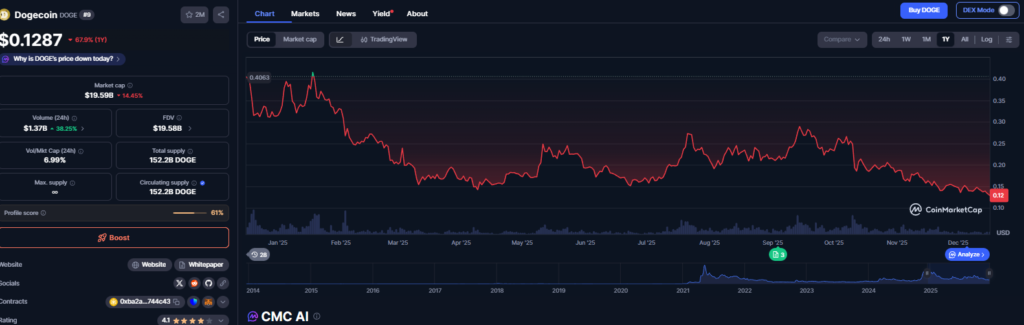
At its peak, Dogecoin became a top-10 cryptocurrency, with a market cap in the tens of billions.
Why Billy Markus Walked Away
Markus left Dogecoin development in 2014.
The reason wasn’t money — it was pressure.
He faced:
- Online harassment
- Death threats
- Burnout
- Unrealistic expectations
By 2015, after losing his job, Markus sold all his DOGE holdings for roughly the value of a used Honda Civic. He cut formal ties and never returned to development.
Importantly, Dogecoin is open-source. Markus didn’t abandon it — he handed it off.
His Views on Crypto, NFTs, and Hype
Markus is famously critical of crypto excess.
He has compared crypto investing to “buying arbitrary database entries” and repeatedly warns against treating digital assets as guaranteed wealth.
He has been openly skeptical of:
- NFT speculation
- Celebrity-driven hype
- Over-financialization of memes
- Stablecoin opacity (especially USDT)
His honesty is why many trust him — even when they disagree.
Net Worth and Investments
Despite media claims, Markus has repeatedly confirmed his net worth is under $1 million.
His primary income comes from his engineering job, with smaller revenue from Substack and X. He holds:
- Small amounts of DOGE
- BTC and ETH
- Tip-based crypto sent by fans
He has never profited significantly from Dogecoin’s price explosions.
Why Markus Still Matters in 2025
Billy Markus matters because Dogecoin changed crypto culture.
It proved that:
- Community beats complexity
- Memes can drive adoption
- Humor lowers entry barriers
- Culture can outperform tech
Every meme coin that followed — from SHIB to PEPE to AI meme tokens — traces its lineage back to Dogecoin.
Markus, through his Shibetoshi persona, remains the moral compass of that culture. He calls out scams, mocks greed, and reminds people that crypto doesn’t have to be joyless.
Final Thoughts
Billy Markus didn’t set out to build a financial empire (Dogecoin founder).
He built a joke — and that joke reshaped crypto.
Today, he isn’t a founder-CEO, a whale, or a protocol architect. He’s a commentator, a critic, and a reminder of where Dogecoin came from.
In a space obsessed with numbers, roadmaps, and speculation, Shibetoshi Nakamoto represents something rarer: authenticity.
CoinDCX: For traders and investors in India, CoinDCX is the best platform which has quick deposits and withdrawls, lowest fee and CoinDCX is the platform I trust to learn, invest & trade in Crypto. Buy your first crypto and win up to ₹5,00,000 in crypto rewards!
Disclaimer: This article is for informational purposes only and does not constitute financial advice. Always consult with a financial advisor before making investment decisions.
Read more updates and articles on our Crypto category page
And that’s why he still matters.
Shibetoshi Nakamoto, Billy Markus, Dogecoin founder, who created Dogecoin, Dogecoin history, meme coin origins, DOGE creator. #Dogecoin #BillyMarkus #ShibetoshiNakamoto #CryptoHistory #MemeCoins